What if your doctor prescribed you nature?
According to the article we have come across at the World Economic Forum website, doctors in Shetland, Scotland, are since 5 October 2018 authorized to prescribe nature to their patients. This is thought to be the first program of its kind in the U.K., and seeks to reduce blood pressure, anxiety, and increase happiness for those with diabetes, a mental illness, stress, heart disease, and more.
And this made us wonder. Where you would go, if your doctor prescribed you nature? Here are some places in Europe, for which we think that will help your your mind to wander off and help you establish a full body and soul regeneration just by being surrounded by breathtaking nature. Back to nature is the place to go and we’re happy to serve you with some suggestions:

The cliffs of Møn and the surrounding islands form Denmark’s first biosphere reserve listed among UNESCO World Heritage sites. The area is considered one of the top sustainable tourism spots in the country. According to UNESCO, biosphere reserves are learning places for sustainable development where the aim is to reconcile biodiversity conservation and the sustainable use of natural resources. This reserve includes islands and islets in the southern Baltic Sea and exemplifies one of the greatest natural creations in the area. You can explore it on foot, by bike, on horseback, in the sea kayak or on board of one of the traditional ships. A perfect place to recharge your batteries and explore the endless beauties of the breathtaking nature.

The Cliffs of Moher are Ireland’s most visited natural attraction. Along Ireland’s 2500km-long coastal drive, which attracts up to one million visitors every year, the entirely vertical Cliffs of Moher in County Clare rise to a dramatic height of 203m (666ft). On a clear day, the Aran Islands and Galway Bay, as well as the Twelve Pins and the Maum Turk mountains in Connemara, Loop Head to the south and the Dingle Peninsula and Blasket Islands in Kerry can be seen. O’Brien’s Tower stands near the highest point and has served as a viewing point for visitors for hundreds of years.

The southernmost region of Portugal, Algarve, is the very place from where the Portuguese set off on the epic journey that led them to discover new worlds, people and cultures in the 15th century. Today, Algarve is a hotspot for tourists. The sandy beaches nestling among golden cliffs stretch as far as the eye can see, and the blue hues of the ocean invite you to jump in sea and simply enjoy yourself and relax. However, Algarve is much more than just beaches; in the mountainous hinterland, people there live in harmony with nature and keep traditions alive. A visit to the area is like stepping back in time.
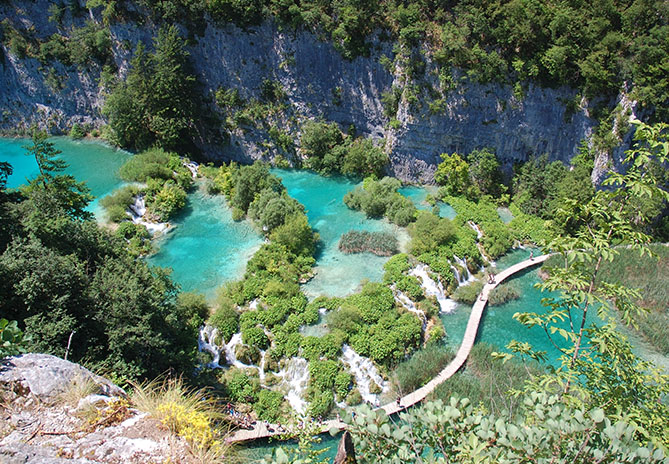
Spectacular foaming waterfalls and 16 turquoise lakes make Plitvice Lakes National Park the most popular national park in Croatia. The UNESCO world heritage site comprises a verdant leafy green maze of paths, woods and meadows which are home to a number of wildlife species, including over 120 species of birds, the European brown bear, wolf, eagle, owl, lynx, wild cat and heather cock. If you are lucky enough, you might even catch a glimpse of them.
P.S. Here, we also have a special treat for you: a brand new, 4* boutique hotel Lyra!
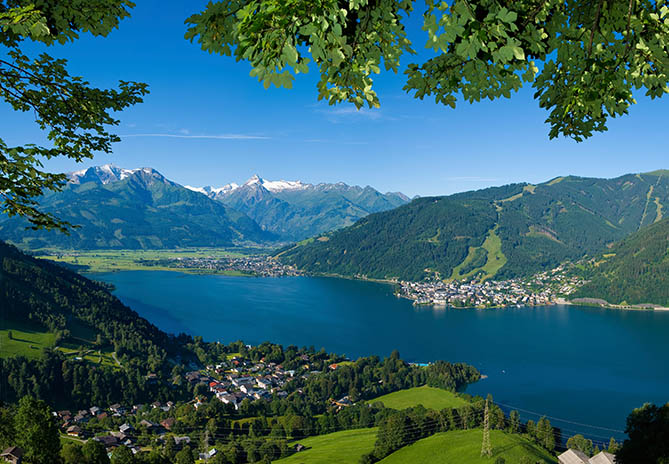
Zell am See is famous for its stunning mountain views and crystal-clear lakes. Having both the lake and mountains on your doorstep means there’s plenty to do. Governed by French troops back in the early 19th century, Zell am See has hosted several international skiing competitions. Off the ski slopes, one of its most famous attractions is the Romanesque St. Hippolyte’s Church, with an elevated walkway that dates back to the early 16th century. Zell am See is also a good starting point for the Grossglockner Alpine Road, a panoramic road with picture-perfect alpine scenery.


